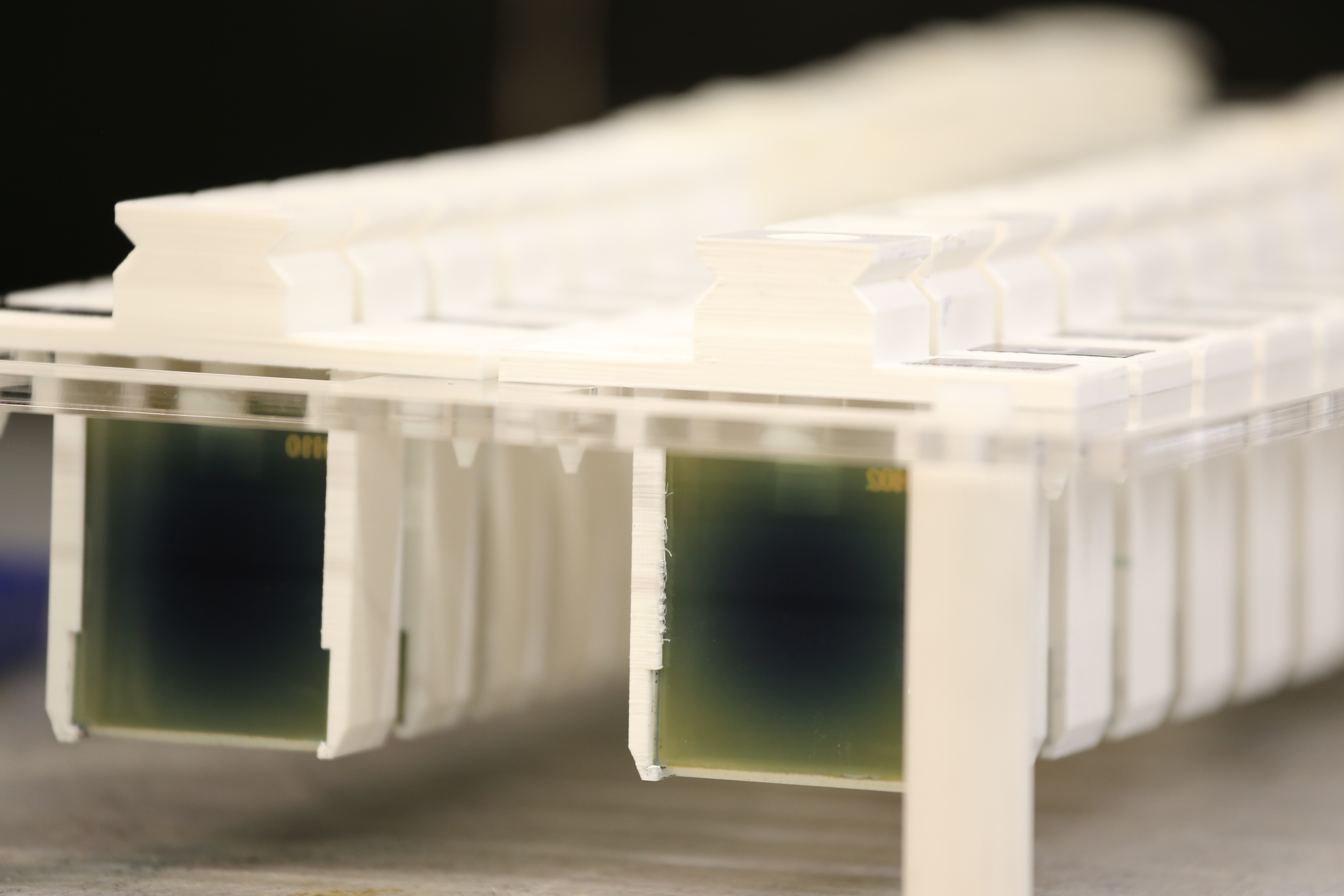
Prototype profile: 3D-printed polystyrene-based plastic scintillator
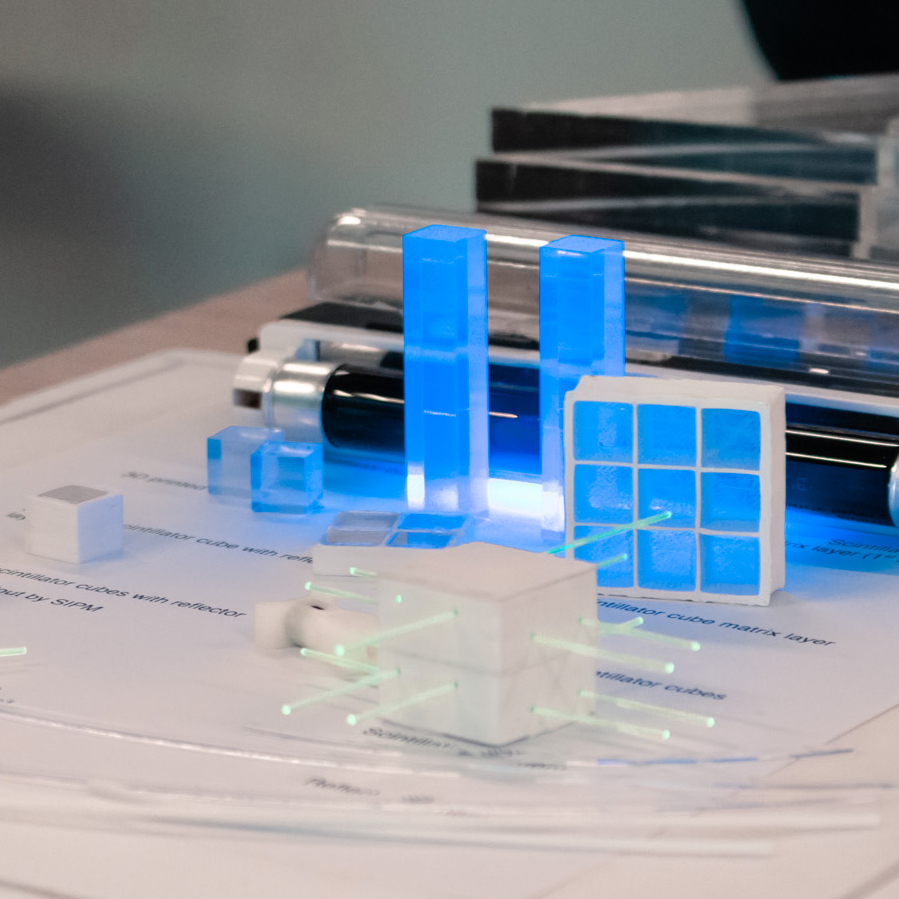
The "3D printed Detector" (3DET) collaboration is investigating and developing additive manufacturing as a new production technique for the future scintillator particle detectors with performances comparable to the state of the art.
Prototype profile: ATLAS Phase II Screwholder
Prototyping makes up one of the key pillars of IdeaSquare. A recent prototype, started in March 2023, aims to make a screwholder for the ATLAS Phase II Upgrade on MDT detectors.
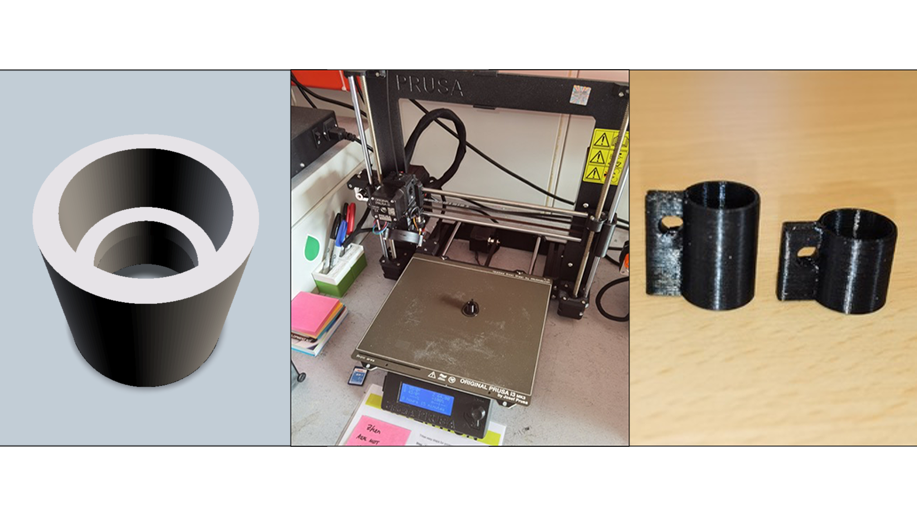 Prototyping makes up one of the key pillars of IdeaSquare. A recent prototype, started in March 2023, aims to make a screwholder for the ATLAS Phase II Upgrade on MDT detectors.
Prototype profile: Adjustable Height Table for Wire Bonding
Prototyping makes up one of the key pillars of IdeaSquare. A recent prototype, started in March 2023, is in collaboration with the experimental physics department and BONDLab.
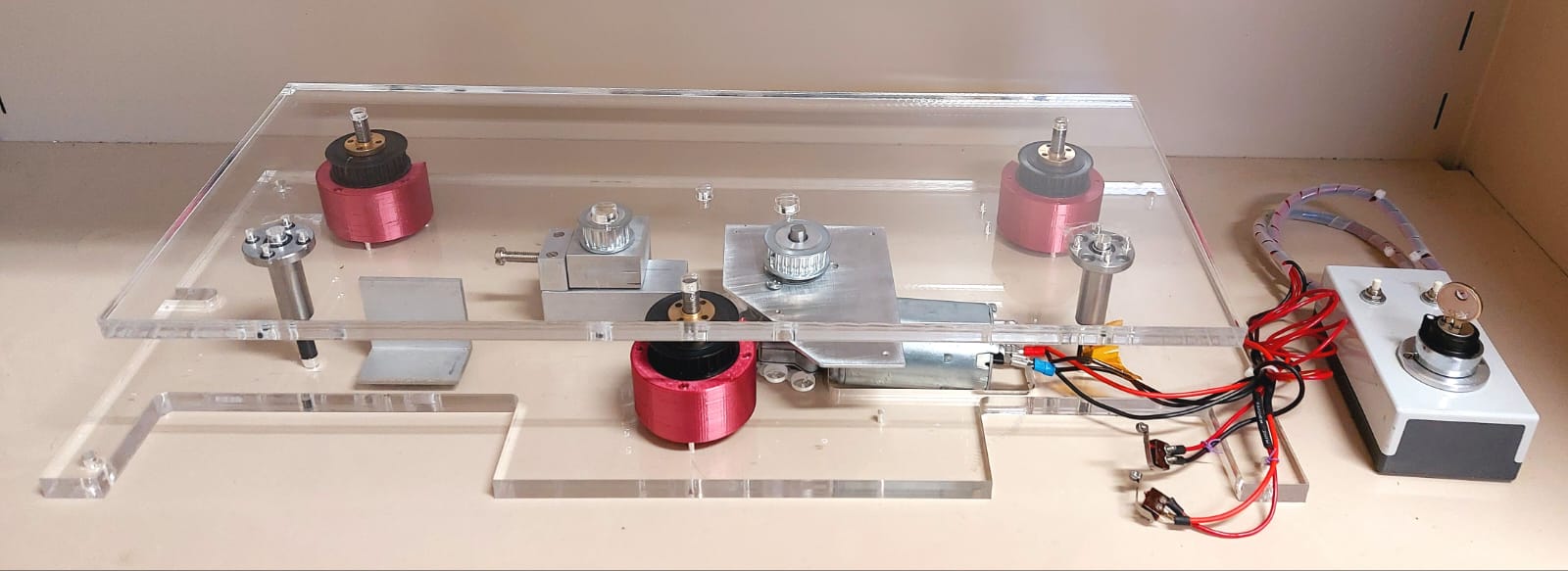 Prototyping makes up one of the key pillars of IdeaSquare. A recent prototype, started in March 2023, is in collaboration with the experimental physics department and BONDLab.
IdeaSquare opened its doors for the CERN Community: the start of a new network of people prototyping at CERN?
Last February, IdeaSquare, the innovation space at CERN, opened its doors for a two days event for the internal community. The event offered visitors a unique opportunity to discover our rapid prototyping and multipurpose facilities and to learn how they could get involved.
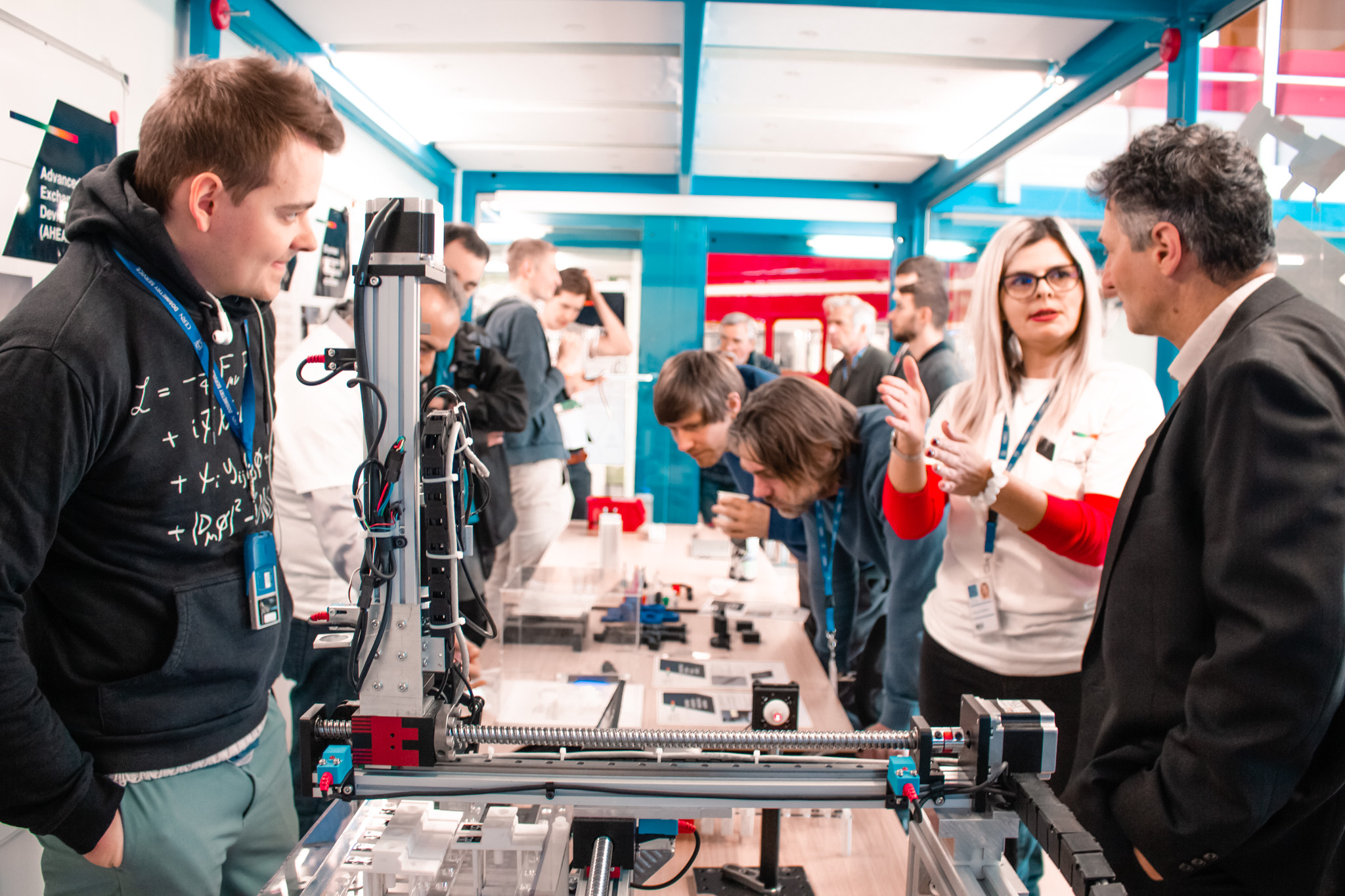 Last February, IdeaSquare, the innovation space at CERN, opened its doors for a two days event for the internal community. The event offered visitors a unique opportunity to discover our rapid prototyping and multipurpose facilities and to learn how they could get involved.
Come to our Arduino workshops at IdeaSquare and learn how to use electronic tools for rapid prototyping
Using electronic tools for rapid prototyping, and programming for hardware projects and the big world of Internet-of-Things, is possible if you know how to interface an Arduino. This microcontroller board can represent diverse objects connected to the Internet, for example, traffic lights, air quality monitors, or presence detectors.
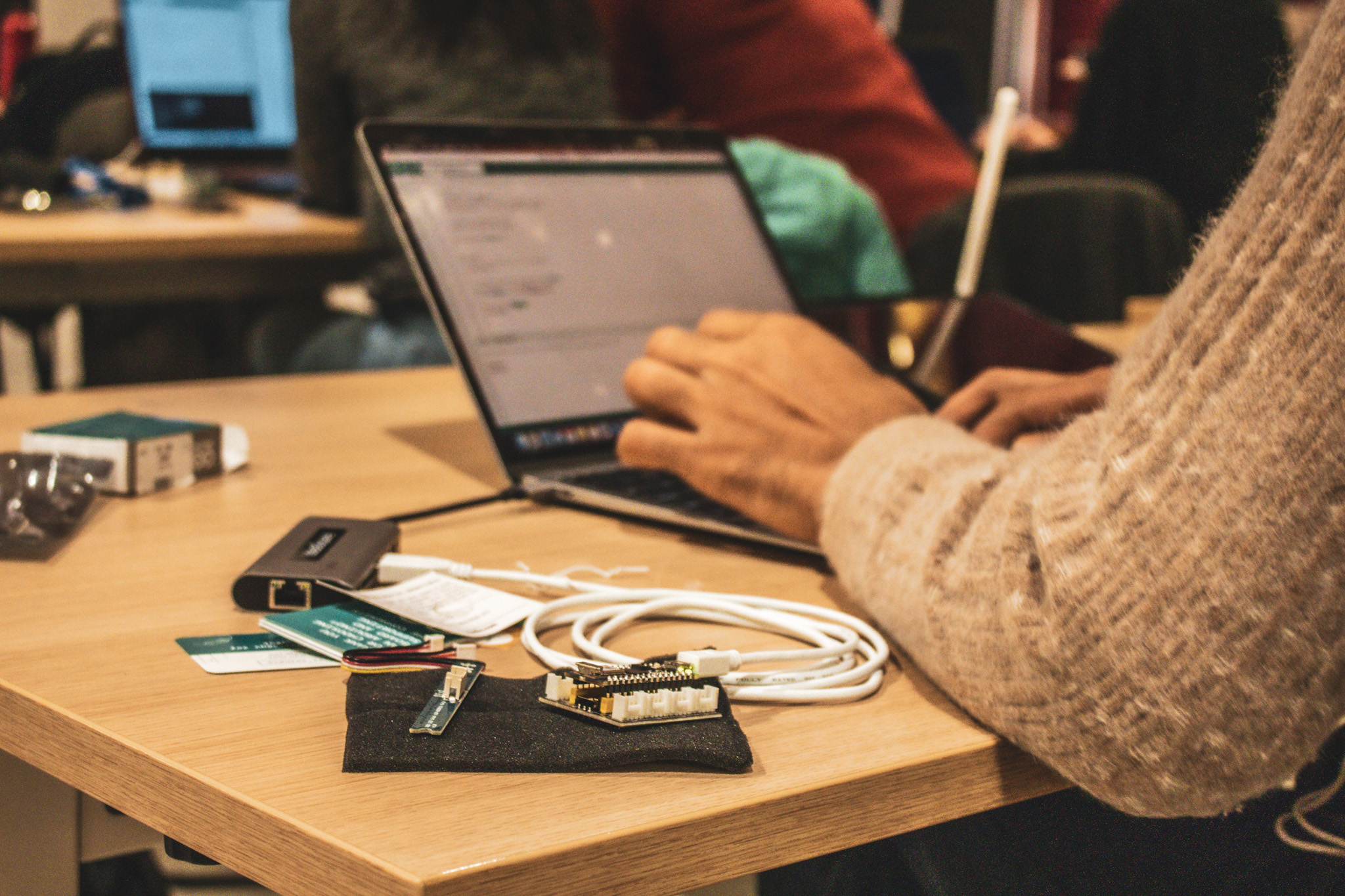 Using electronic tools for rapid prototyping, and programming for hardware projects and the big world of Internet-of-Things, is possible if you know how to interface an Arduino. This microcontroller board can represent diverse objects connected to the Internet, for example, traffic lights, air quality monitors, or presence detectors.
Prototyping profile: Inspection robot for the CMS' cavern
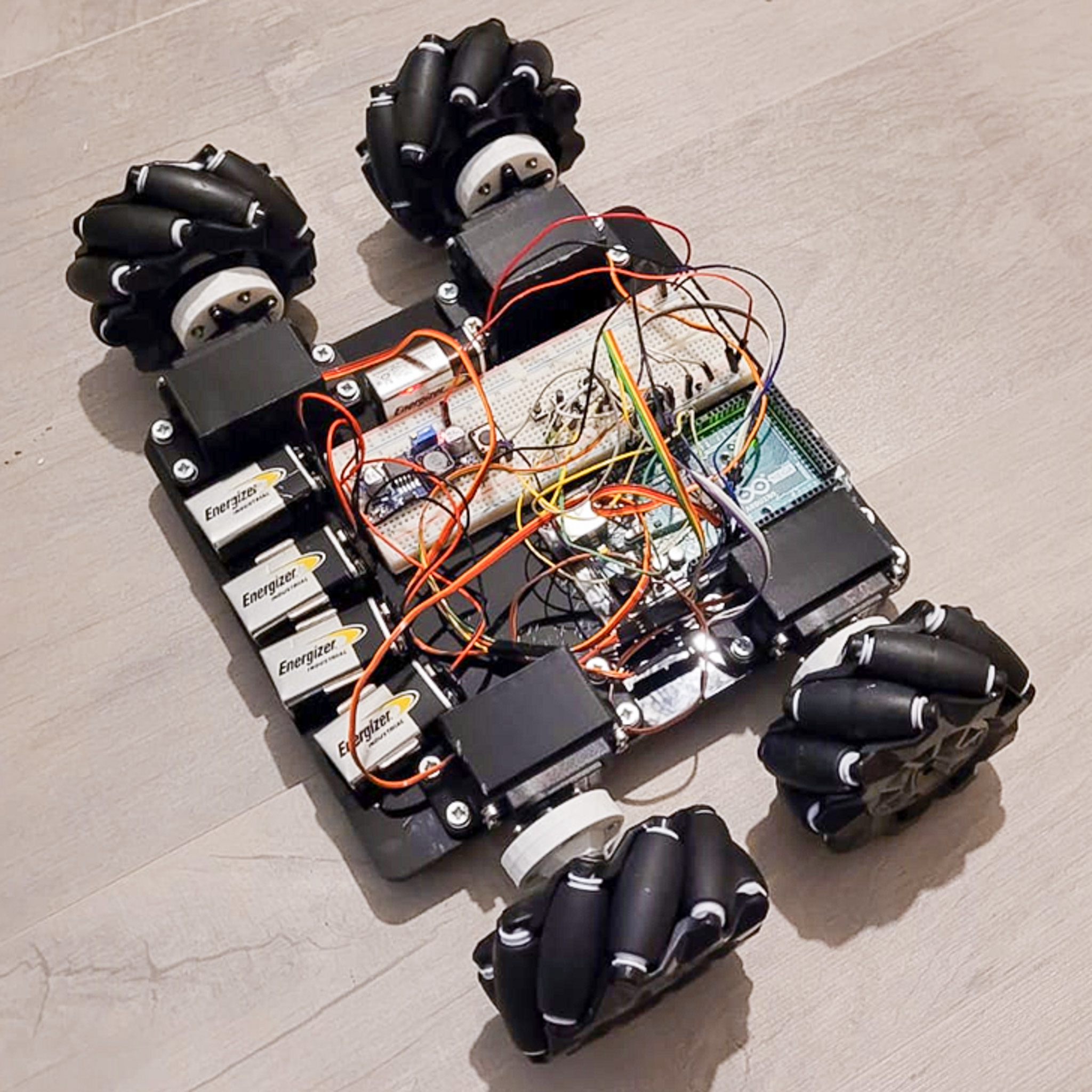
CERN operates the LHC (Large Hadron Collider) the largest particle accelerator ever built. Four main experiments were established on its circumference with the purpose of resolving major scientific enigmas. The general-purpose detector CMS (Compact Muon Solenoid) is one of these experiments.
VITO engineers, based at ISOLDE, use IdeaSquare to make custom toolkit
The strong magnetic field means standard steel components cannot be used.
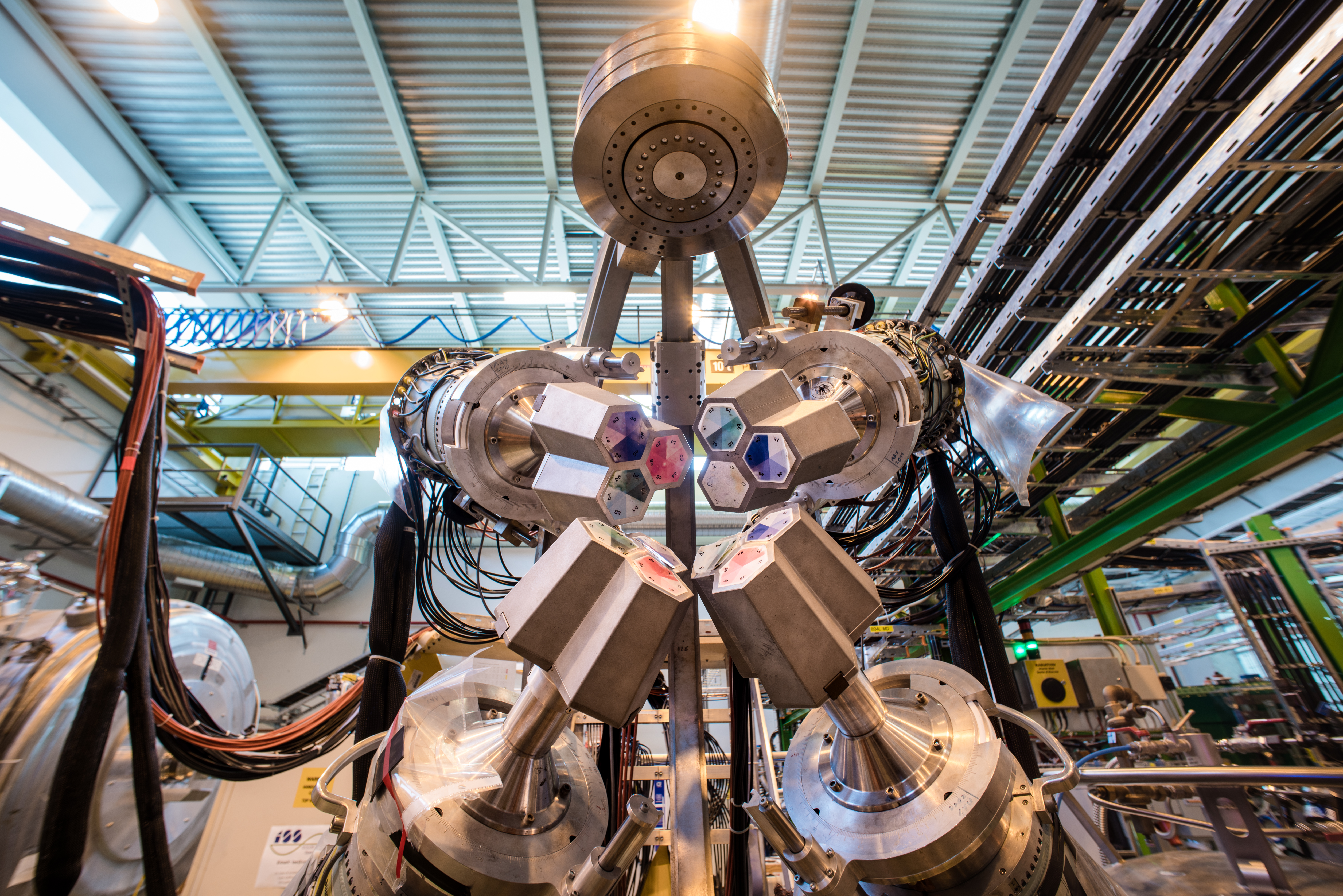 The strong magnetic field means standard steel components cannot be used.
Alignment mechanism for ATLAS/CMS
Engineers use IdeaSquare workshops to prototype a better shock absorber for the largest experiments at CERN.
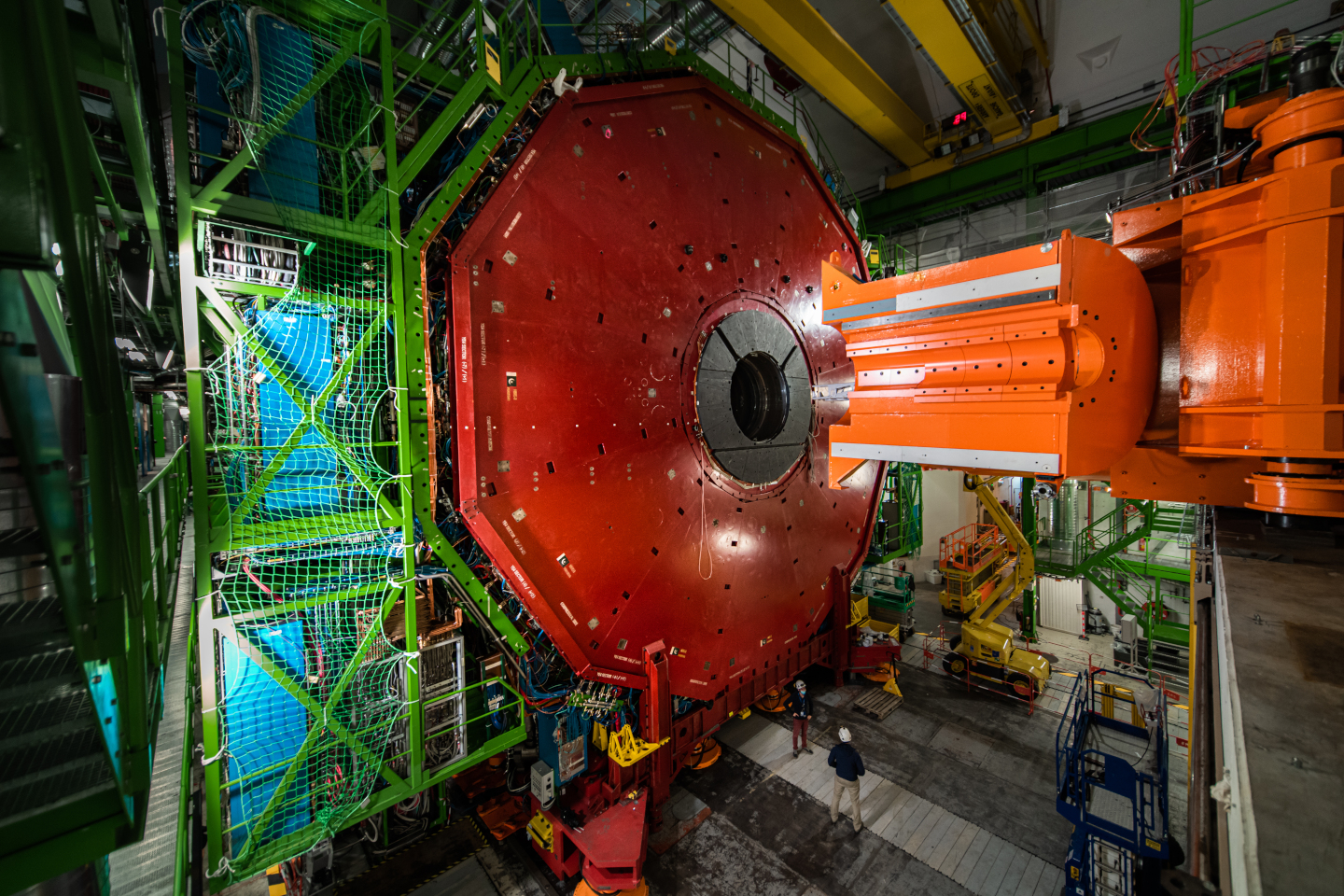 Engineers use IdeaSquare workshops to prototype a better shock absorber for the largest experiments at CERN.
TERAPET — from CERN physics to cancer therapy
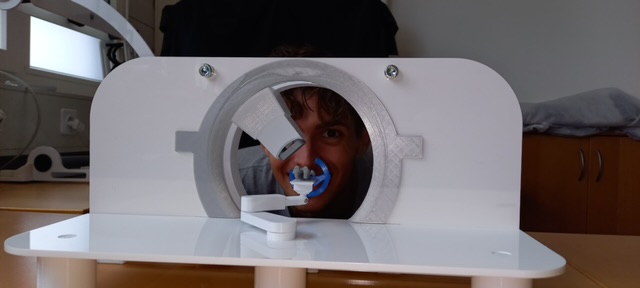
What happens when we apply fundamental science to real-world challenges?
Today, TERAPET is a Swiss medical technology start-up, but the idea did not start off in the business world. Two of the three founders had the idea when working on proton beam technology here at CERN.