Design the Future x Terraforming 2022
In this workshop, students from UPV/EHU in the Basque country took the first steps ...to be ready for embracing the seemingly impossible!
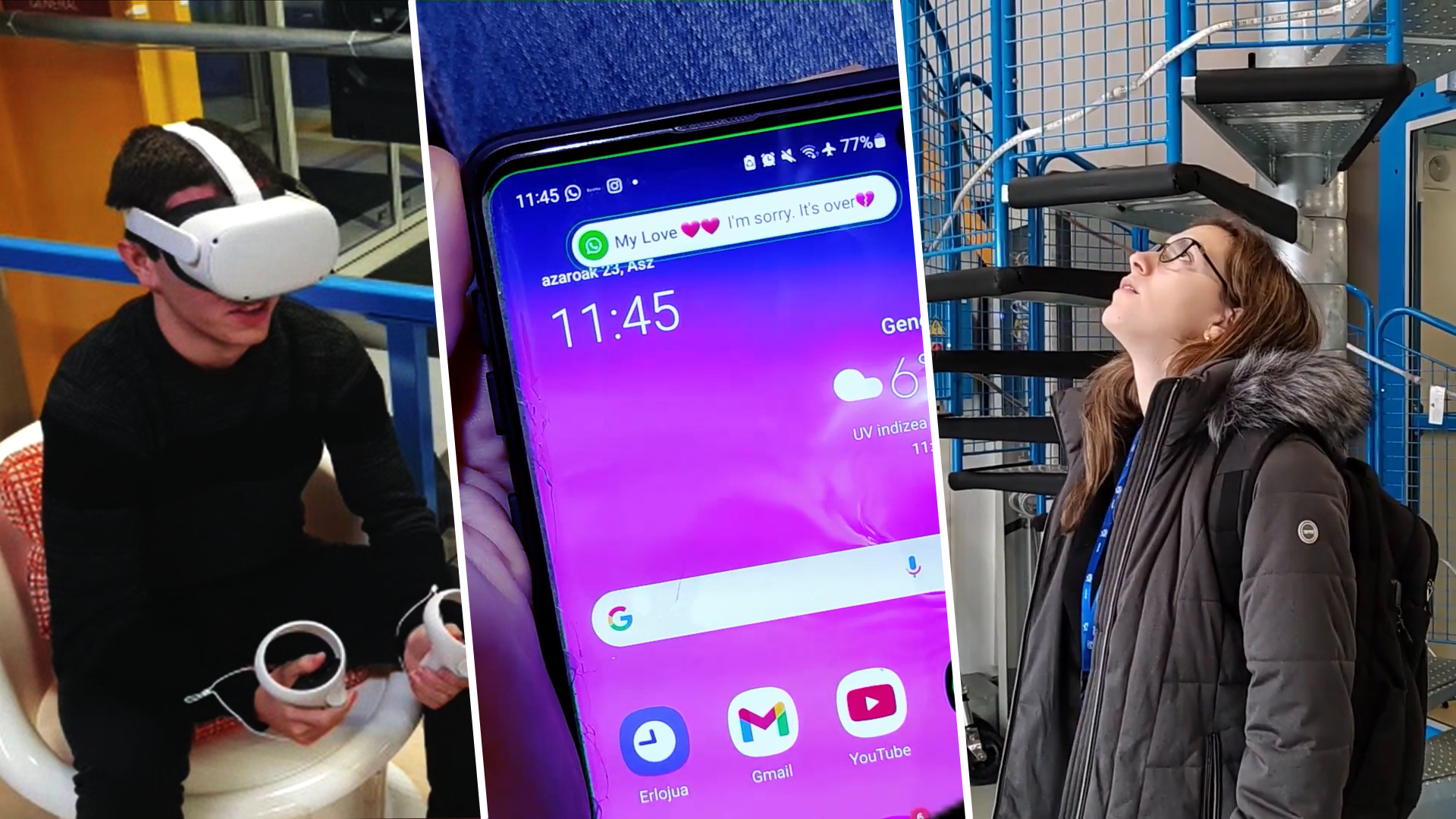 In this workshop, students from UPV/EHU in the Basque country took the first steps ...to be ready for embracing the seemingly impossible!
CBI A³ 2022
CBI A³ aims to empower students with the mindset and skills to be change makers, imagining and realizing futures that respect humans and the ecological systems we exist in.
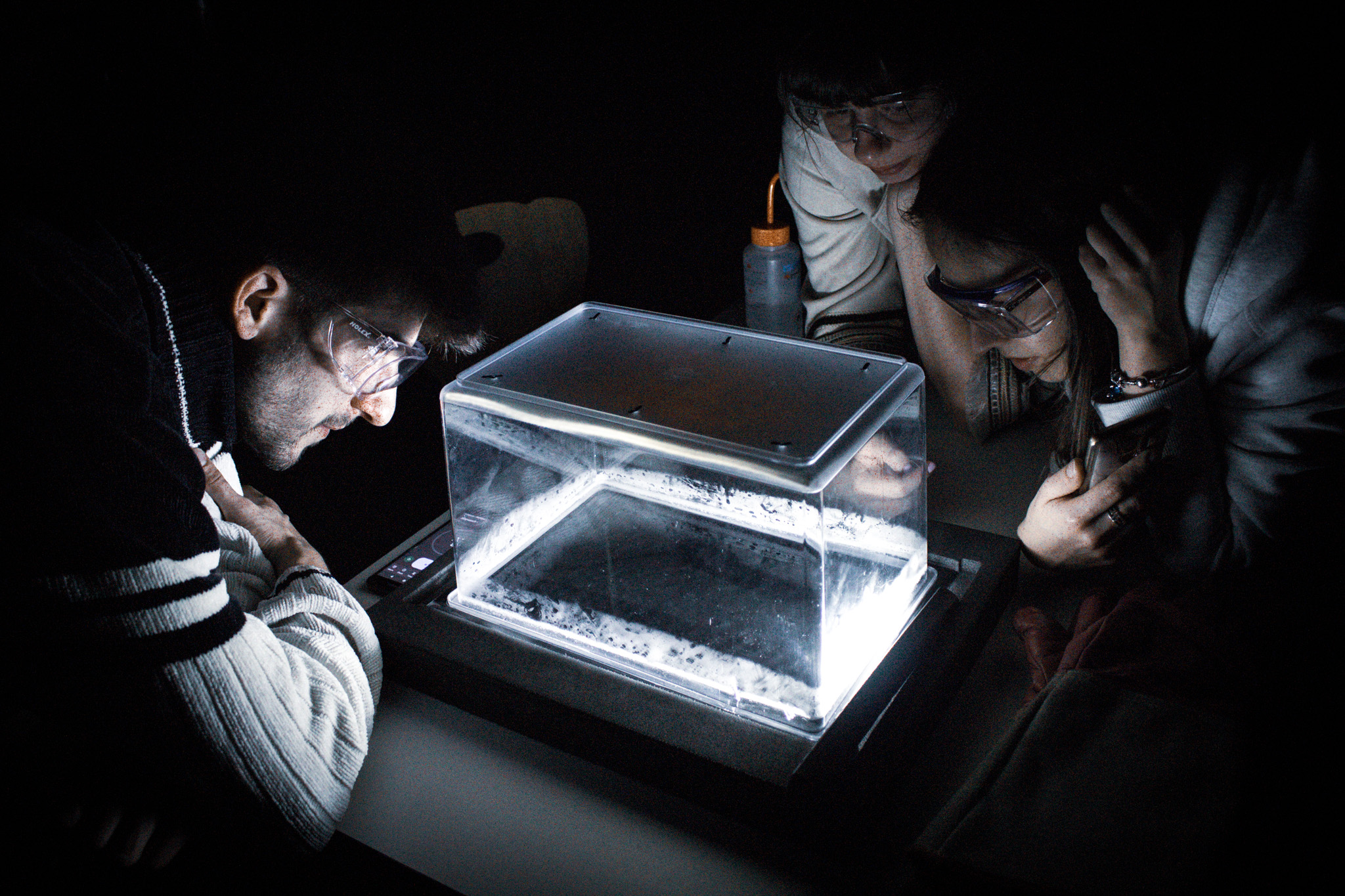 CBI A³ aims to empower students with the mindset and skills to be change makers, imagining and realizing futures that respect humans and the ecological systems we exist in.
IdeaSquare brought its Journal of Experimental Innovation at the International Design Factory Week 2022
The International Design Factory Week 2022 was hosted this October at the Future Design Factory in Leeuwarden, Netherlands.
 The International Design Factory Week 2022 was hosted this October at the Future Design Factory in Leeuwarden, Netherlands.
Austrian Chamber of Commerce workshop
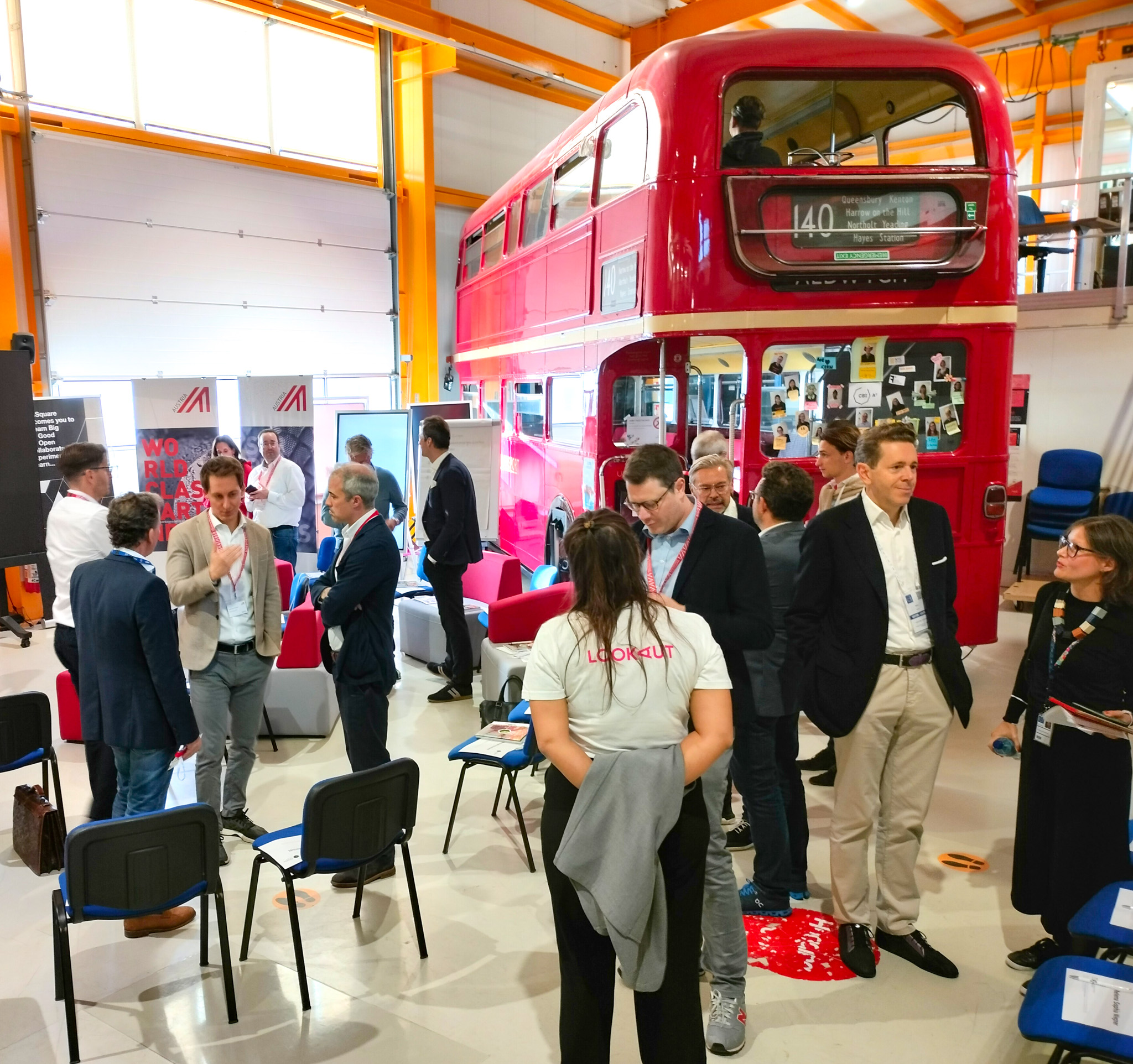
How will the future be created? How do we prepare for the unplannable? And how to manage crises? Opening CERN’s innovation knowledge to different industries can help them learn from the organization's experience and explore new methodologies to tackle universal and relevant challenges for the future.
ATTRACT unveils the projects that will benefit from its €28 million fund for innovation
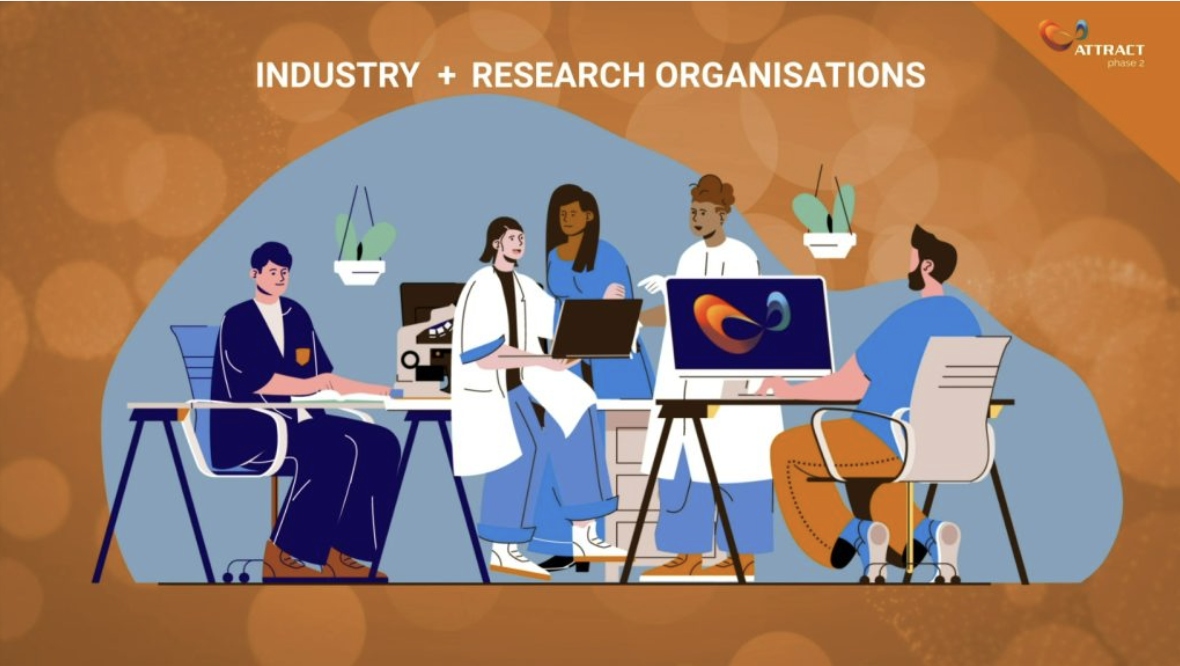
ATTRACT, a research and innovation project funded by the European Union and backed by a consortium of nine partners, including CERN, will commit €28 million to finance 36 projects from more than 20 countries
ATTRACT is a European funded project whose goal is to develop next-gen scientific tools, co-create new business and market products, increase European companies’ competitiveness, and trigger more and better jobs for Europeans. (Image: ATTRACT)
Crowd4SDG launches its second call for projects on climate and gender issues
Submit your ideas on how to use crowdsourcing to tackle climate-change-induced gender inequalities before 30 September 2021
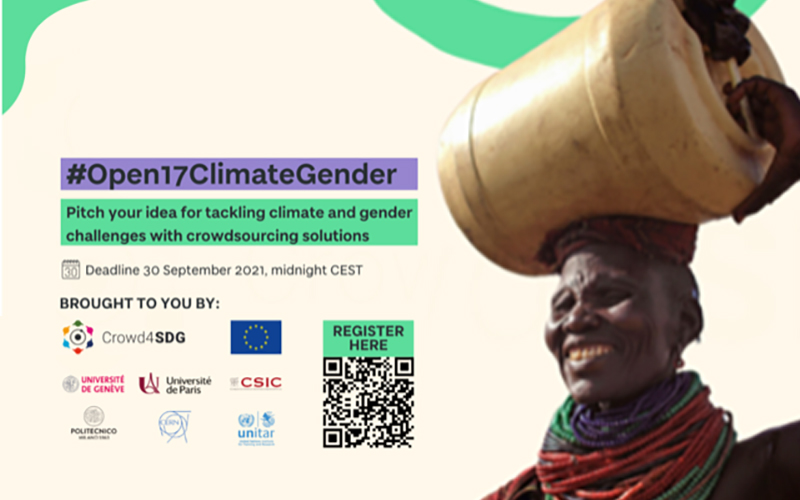 Submit your ideas on how to use crowdsourcing to tackle climate-change-induced gender inequalities before 30 September 2021
CERN Courier featured IdeaSquare as part of CERN's research and innovation ecosystem
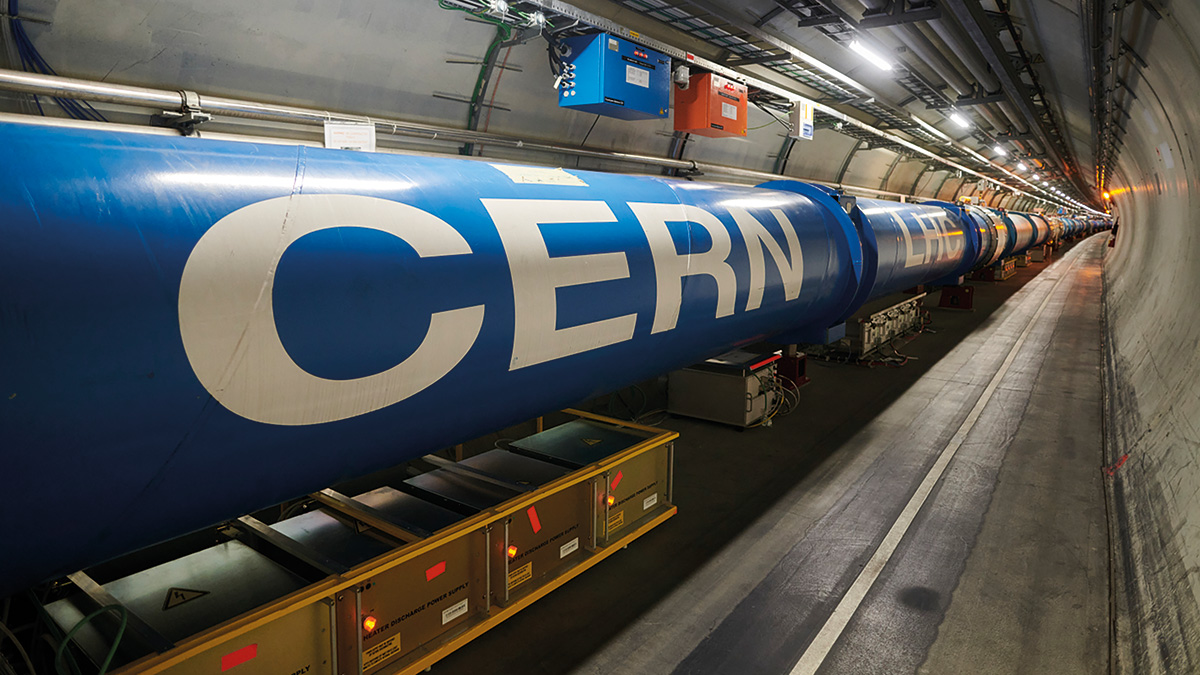
CERN Courier features IdeaSquare as part of CERN's unique innovation ecosystem.
CERN hosts an ecosystem like no other in the world, from equipment procurement to knowledge-transfer initiatives. IdeaSquare has a special place there since it represents the "fuzzy front end" of innovation.
The ATTRACT initiative was presented at the Big Science Business Forum 2022
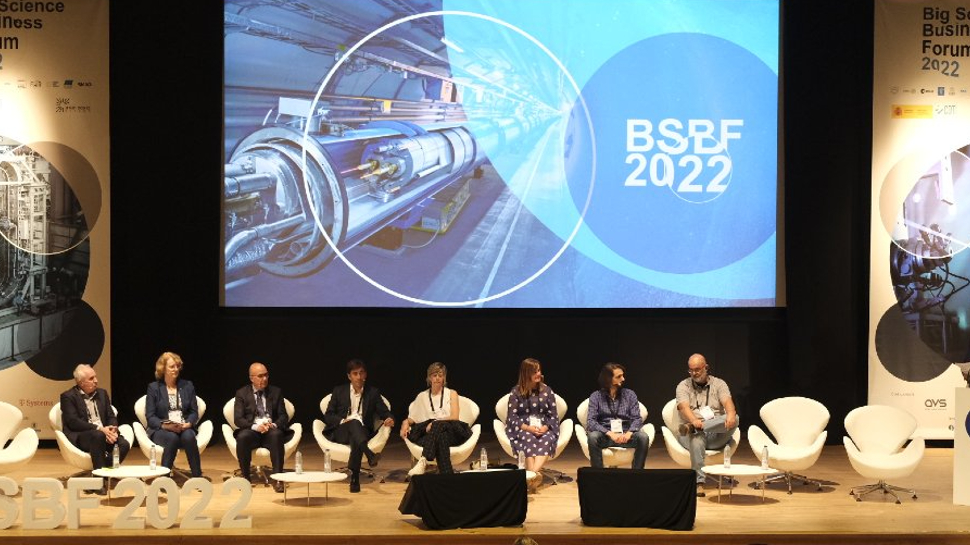
ATTRACT phase 2 was presented at the Big Science Business Forum 2022 (BSBF 2022), hosted by the Spanish Ministry of Science, Innovation and Universities and the Spanish Innovation Agency. And Pablo García Tello, ATTRACT Project Administrative Office, explained this initiative during the session “Career Opportunities and Pathways in the Big Science Market”.
A new visual language to showcase IdeaSquare’s new strategic approach
A new visual language for a new strategic approach
Cinzia Da Via: “An ecosystem like ATTRACT is essential for Europe”

ATTRACT Q&A
ATTRACT offers an opportunity to study the construction of an innovation ecosystem. In this regard, Cinzia Da Vià, ATTRACT R&D&I committee Co-chair and Professor of Physics at the University of Manchester, reflects on how the environments involved in that ecosystem are the basics for the economy.